Walk into any music production forum today, and you will see the same debate: can AI-generated music sound natural enough for real creative work? The answer is increasingly yes, especially when the tool can generate melodies, vocals, and arrangements from a clear prompt. A modern AI song generator is not just a novelty anymore. It is becoming a practical way for creators to test song ideas, build demos, and produce original music drafts faster.
What Makes a Modern AI Song Generator Sound More Real?
Older AI music tools often sounded robotic because they struggled with nuance. They could produce notes, but not always phrasing, energy, or emotional movement. Today’s AI music generators are improving because they can interpret style, mood, structure, and vocal direction with much more detail.
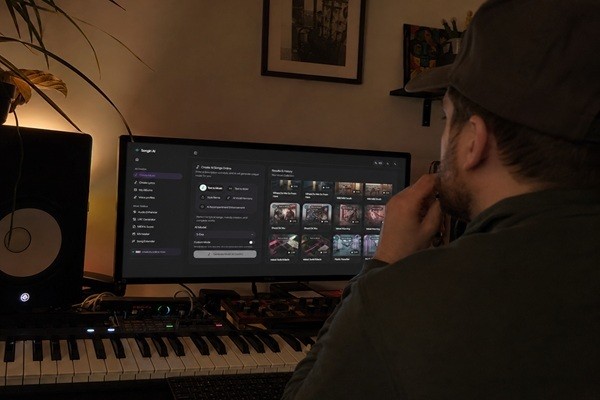
That does not mean every AI-generated track will sound like a finished studio release. The quality still depends on the prompt, the tool, and the amount of creative refinement. But for many creators, AI music has become realistic enough to support demos, social media content, game concepts, podcast themes, and early-stage songwriting.
As tools like Suno, Udio, Mureka, and Tunee bring AI music into mainstream creator workflows,
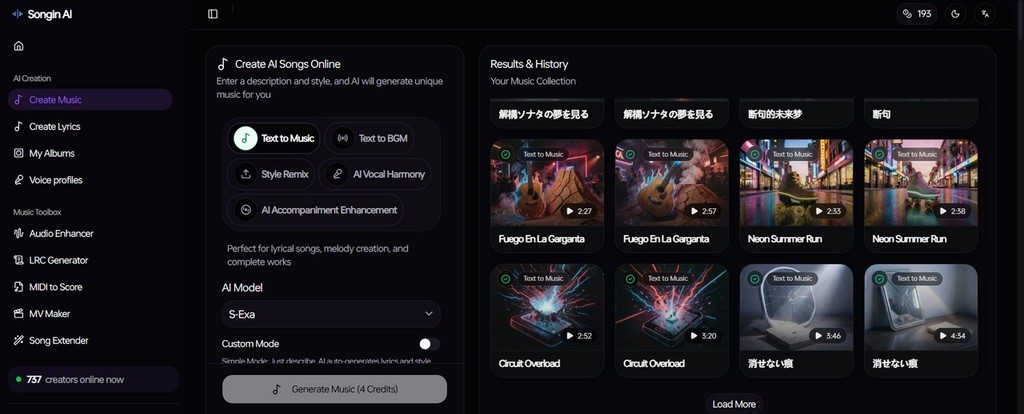
Songin.ai AI song generator fits the category as a simple way to turn prompts, lyrics, or audio ideas into song drafts.
From Text or Audio Idea to Song Draft
One reason AI song generators feel different from traditional music software is the starting point. Instead of opening a complex digital audio workstation, users can begin with plain language. A creator might describe a cinematic pop chorus, a dreamy synthwave intro, or an emotional acoustic verse. The AI then uses that direction to generate a musical draft.
This is useful for people who have ideas but do not want to begin with arrangement, mixing, or production theory. A lyric writer can hear how a verse might work as a song. A YouTuber can test a theme for a new series. A game developer can explore menu music or character themes before hiring a composer.
Why AI Music Can Feel More Human Now
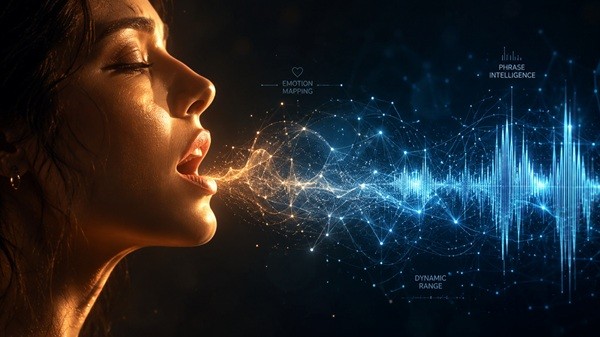
Realistic music is not only about clean audio. It is about movement. A song needs contrast between sections, natural vocal phrasing, and a sense that the arrangement is responding to the emotion of the idea.
Modern AI music tools are getting better at these details. They can generate hooks, support different genres, and create arrangements that feel more complete than simple loops. Instead of producing a flat instrumental bed, an AI song maker can help shape a track with verse, chorus, vocal energy, and stylistic direction.
For creators, this changes the role of AI. It is less about replacing musicians and more about speeding up the first draft. The user still decides what works, what needs revision, and whether the result fits the project.
Is an AI Song Generator Safe for Commercial Projects?
Commercial use depends on the platform and the plan. Some AI music tools restrict free generations to personal use, while paid plans may provide clearer usage rights for monetized videos, ads, games, podcasts, or client projects. Creators should always review the current licensing terms before publishing AI-generated music in commercial work.
This is especially important because “AI-generated” does not automatically mean “risk-free.” A reliable workflow should include checking usage rights, downloading the correct file format, and keeping records of when and where the music was generated.
For content creators, marketers, and indie developers, the appeal is clear: AI music tools can reduce the time spent searching for stock tracks while giving users more control over mood, genre, and structure.
The AI Song Generator Has Become a Real Creative Tool
So, can you always tell the difference between AI music and human-made tracks? Sometimes yes. But the gap is narrowing, and the more important point is practical: AI song generators are now good enough to help creators move from idea to listenable draft much faster.
For someone scoring a video, building a game, producing ads, or testing a song concept, that speed matters. AI does not remove the need for taste or creative judgment. It gives creators a faster way to explore sound, compare directions, and build music around their ideas.
The line between human creativity and AI assistance is not erased; it is becoming more collaborative. For creators who value speed without giving up control, that is an opportunity worth paying attention to.