Droopy eyelids, also known as ptosis, can affect one or both eyes and may develop gradually with age or be present from birth. While some people are primarily concerned about the change in their appearance, others experience symptoms such as reduced vision, eye strain or difficulty carrying out everyday activities when the upper eyelid obstructs their line of sight. As ptosis can result from a range of underlying causes, an accurate diagnosis is important before deciding on treatment.
If you are considering ptosis correction Singapore, understanding why the eyelid has drooped can help determine whether surgery or another approach is appropriate. Learning more about how to fix ptosis also allows you to have informed discussions with your surgeon about the most suitable treatment options for your needs.
What Is Ptosis?
Ptosis is a condition in which the upper eyelid droops lower than its normal position. It occurs when the levator muscle, which is responsible for lifting the eyelid, becomes weakened or does not function properly. Depending on its severity, ptosis may affect one eye (unilateral ptosis) or both eyes (bilateral ptosis), and the degree of drooping can range from mild to significant.
It is important to distinguish ptosis from excess eyelid skin, also known as dermatochalasis. Although both conditions can make the eyes appear heavy or tired, dermatochalasis is caused by loose, redundant skin, whereas ptosis results from a problem with the muscles or structures that lift the eyelid. In some cases, both conditions occur together, requiring a thorough assessment to determine the most appropriate treatment.
Ptosis can affect people of all ages. Congenital ptosis is present at birth and is usually caused by incomplete development of the levator muscle. Acquired ptosis is more common in adults and may develop over time due to ageing, injury, previous eye surgery or certain medical conditions.
What Causes Droopy Eyelids?
Droopy eyelids can develop for several reasons, and identifying the underlying cause helps determine whether treatment is necessary and which approach may be most suitable.
- Age-related changes: The most common cause of ptosis in adults is the gradual stretching or weakening of the levator muscle tendon over time. As the muscle becomes less effective at lifting the eyelid, the upper eyelid may begin to droop.
- Congenital ptosis: Some people are born with ptosis because the levator muscle did not develop normally before birth. The condition may affect one or both eyes and can sometimes interfere with normal vision development in children.
- Nerve-related conditions: Certain neurological disorders can affect the nerves that control the eyelid muscles, leading to drooping. Depending on the underlying condition, additional symptoms such as double vision or changes in pupil size may also be present.
- Previous eye surgery or trauma: Procedures involving the eye or eyelid, as well as injuries to the surrounding tissues, can occasionally stretch or damage the structures responsible for lifting the eyelid, resulting in ptosis.
- Muscle disorders: Less commonly, conditions that affect muscle strength and function can cause the eyelids to droop. In these cases, ptosis may occur alongside weakness in other parts of the body.
Determining whether the problem is related to the eyelid muscles, nerves or surrounding structures helps guide the most appropriate management plan.
When Is Ptosis Correction Recommended?
Ptosis correction may be considered when droopy eyelids affect vision, comfort or appearance. A thorough assessment helps determine whether surgery is appropriate and whether ptosis is the underlying cause of the eyelid drooping.
- The eyelid blocks your vision: The upper eyelid partially covers the pupil, reducing the field of vision.
- Difficulty keeping the eyes open: The eyelids feel heavy, especially later in the day.
- Eye strain or forehead fatigue: Constantly raising the eyebrows to compensate can cause muscle tension.
- Noticeable eyelid asymmetry: Uneven eyelid height may affect facial balance.
- Cosmetic concerns: Treatment may be considered if ptosis changes the appearance of the eyes after appropriate evaluation.
Not every case requires surgery, and treatment recommendations depend on the severity, cause and impact of the condition.
What Happens During Assessment for Ptosis Correction?
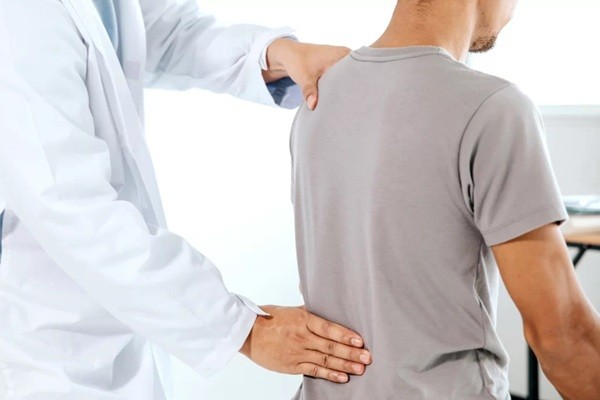
Before recommending treatment, your surgeon will perform a detailed assessment to determine the cause of the droopy eyelid and whether ptosis correction is appropriate. As several conditions can produce similar symptoms, an accurate diagnosis is essential for developing a suitable treatment plan.
During the consultation, your surgeon may assess:
- Eyelid position: Measures how much the upper eyelid droops and whether one or both eyes are affected.
- Levator muscle function: Evaluates how well the muscle responsible for lifting the eyelid is working.
- Brow position: Determines whether brow drooping is contributing to the appearance of heavy eyelids.
- Vision and visual field: Assesses whether the drooping eyelid is affecting your field of vision.
- Eye health and medical history: Reviews previous eye surgery, injuries, medical conditions and medications that may contribute to ptosis.
These findings help your surgeon identify the underlying cause of the condition and recommend the most appropriate treatment approach for your individual needs.
What Can You Expect From Ptosis Correction Surgery?
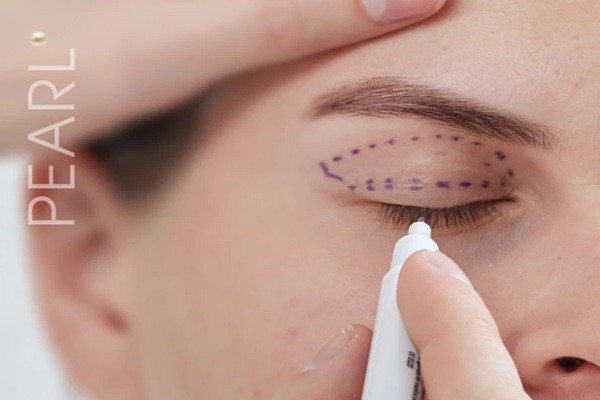
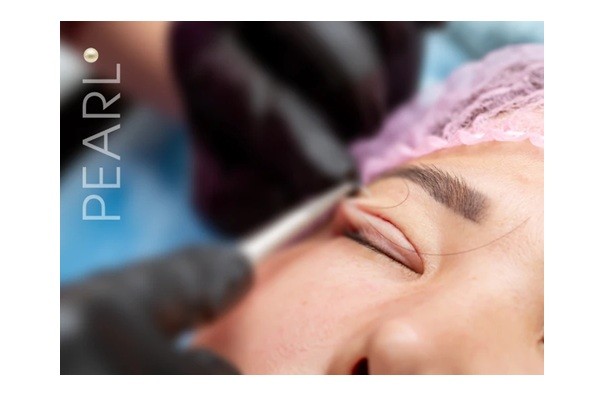
Ptosis correction surgery aims to raise the upper eyelid to improve its position while maintaining a natural appearance and eyelid function. The surgical technique used depends on the cause of the ptosis, the severity of the drooping and how well the levator muscle is functioning.
The procedure is typically performed as day surgery under local anaesthesia with sedation or general anaesthesia, depending on the individual case. Your surgeon will explain the recommended approach and what to expect before the procedure.
Following surgery, it is normal to experience mild swelling, bruising and temporary discomfort around the eyelids. These symptoms usually improve over the first few weeks. Patients are advised to follow their post-operative care instructions carefully, attend follow-up appointments and avoid strenuous activities during the initial recovery period.
Conclusion
Droopy eyelids can have different causes and may affect both appearance and daily activities. Understanding the reason behind ptosis is important before deciding on treatment, as the most suitable approach depends on your eyelid condition, symptoms and individual needs.
If you are considering ptosis correction Singapore, a consultation can help you better understand your options and whether treatment is appropriate for you. To discuss your concerns and explore suitable treatment options, book a call with our clinic at:
Pearl Plastic Surgery, Laser & Scar Clinic (Royal Square): Dr Pearlie Tan
101 Irrawaddy Road, #17-08, Royal Square Medical Centre, Singapore 329565
6 Napier Rd, #05-03 Gleneagles Medical Centre, Singapore 258499
Phone: +65 6592 7880
WhatsApp: +65 9831 8618
Email: [email protected]