Drooping upper eyelids can affect facial appearance, making the eyes look tired or uneven, and may sometimes interfere with the field of vision. This concern can arise from several causes, including weakened eyelid muscles, age-related changes or excess skin around the eyes. A thorough assessment is therefore important before deciding on a suitable treatment.
During a ptosis correction consultation, the surgeon evaluates eyelid position, muscle function, eye health and individual concerns to determine the underlying cause and discuss appropriate options. Understanding how these factors influence treatment can help patients make informed decisions about whether surgery to correct ptosis may be suitable for their needs.
Reviewing Your Symptoms and Medical History
During a ptosis correction consultation, the surgeon will usually begin by reviewing your symptoms and medical history. You may be asked when you first noticed the drooping eyelid, whether it affects one or both eyes and whether its position has changed over time. Symptoms such as eyelid heaviness, difficulty keeping the eyes open, forehead strain from raising the eyebrows or reduced peripheral vision are also relevant.
Your surgeon may ask about previous eye or eyelid surgery, eye injuries, contact lens use, existing medical conditions and medications. These details can help identify possible contributing factors and determine whether further investigations are needed. Sudden-onset or fluctuating eyelid drooping may require prompt medical assessment before any surgical treatment is considered.
Assessing Eyelid Position and Symmetry
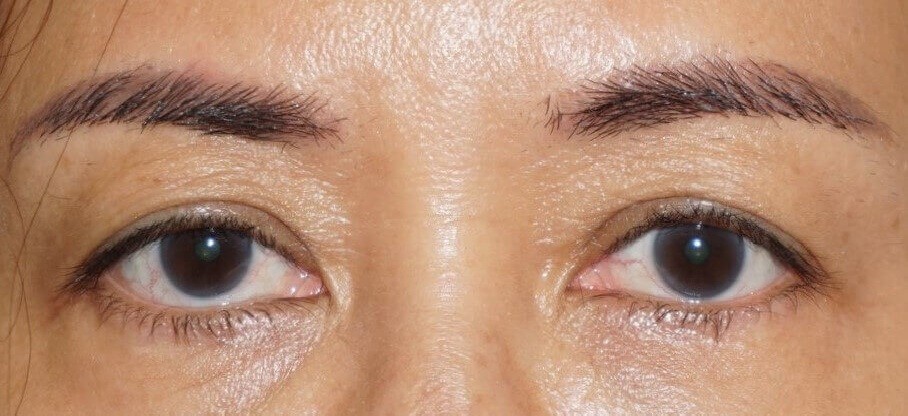
An important part of a ptosis correction consultation is examining the position of the upper eyelids and how they relate to the pupils. Your surgeon will assess whether one eyelid sits lower than the other, how much of the eye is covered and whether the eyelid creases are symmetrical. These observations help determine the severity of the drooping and how it affects your overall appearance.
The surgeon will also consider whether excess upper eyelid skin or a lowered eyebrow contributes to the drooping appearance, as these concerns may require a different treatment approach. Distinguishing true eyelid ptosis from other causes of upper eyelid heaviness helps guide an appropriate treatment plan based on your individual anatomy and functional needs.
Evaluating Eyelid Muscle Function
The function of the muscles responsible for lifting the upper eyelids is another key consideration during a ptosis correction assessment. The levator muscle plays a major role in raising the eyelid, so your surgeon may measure how far the eyelid moves between looking down and looking up while keeping the forehead muscles still. This helps assess the strength and movement of the muscle and identify factors that may influence the choice of surgical technique.
The degree of eyelid drooping, muscle function and individual anatomy all contribute to treatment planning. For some patients, a procedure that adjusts the levator muscle may be suitable, while others may require a different approach. The consultation allows your surgeon to explain the options based on the examination findings.
Checking Vision, Eye Health and Brow Position
A ptosis correction consultation may also involve assessing your vision and overall eye health. Your surgeon may examine eye movements, pupil responses and eyebrow position to determine whether other factors contribute to the drooping appearance. For example, a lowered brow or excess upper eyelid skin can make the eyelids appear heavy, even when the eyelid-lifting muscles function adequately.
If the drooping affects your field of vision, visual field testing may be recommended to assess the extent of the obstruction. Your surgeon may also check for dry eyes, incomplete eyelid closure or other eye conditions that could influence surgical planning and recovery. Identifying these concerns before treatment helps ensure that the recommended approach considers both eyelid appearance and eye function.
Discussing Suitable Ptosis Correction Techniques
Once the examination is complete, your surgeon can discuss suitable treatment options based on the cause and severity of the eyelid drooping. One approach is levator advancement or resection, which adjusts the muscle responsible for lifting the upper eyelid. In selected cases, a Müller’s muscle procedure may be considered, depending on muscle function and other clinical findings.
Your surgeon will explain the potential benefits and limitations of each approach, including how the procedure may affect eyelid height and symmetry. It is also important to understand the difference between ptosis correction, double eyelid surgery and blepharoplasty. While ptosis correction addresses the position of the upper eyelid, double eyelid surgery creates or modifies an eyelid crease and blepharoplasty removes excess skin or tissue. These procedures may sometimes be combined when clinically appropriate.
Results, Recovery and Risks
Before proceeding with ptosis correction, discuss the expected results, recovery process and potential risks with your surgeon. The aim is to improve eyelid position and, where relevant, address visual obstruction, although the degree of improvement and final symmetry can vary between individuals. After surgery, temporary swelling, bruising and uneven eyelid height may occur during healing. Potential complications include undercorrection, overcorrection, persistent asymmetry, dry eyes and difficulty closing the eyelids completely.
Your surgeon should explain how your existing eye health and eyelid anatomy may influence these risks. Ask about the expected recovery timeline, follow-up appointments, aftercare instructions and whether further treatment might be needed. Having a clear understanding of these considerations can help you make an informed decision about whether surgery is appropriate for your concerns and circumstances.
Conclusion
A thorough consultation helps identify the cause of drooping eyelids and determine whether ptosis correction is suitable for your needs. By assessing eyelid position, muscle function and eye health, your surgeon can discuss appropriate treatment options, expected outcomes and potential risks. Arrange a consultation with our clinic to discuss your eyelid concerns and explore suitable ptosis correction options, at:
Allure Plastic Surgery – Ptosis Surgery | Breast Augmentation | Double Eyelid Surgery
435 Orchard Rd, #22-04 Wisma Atria, Singapore 238877
Phone: +65 6734 9988