
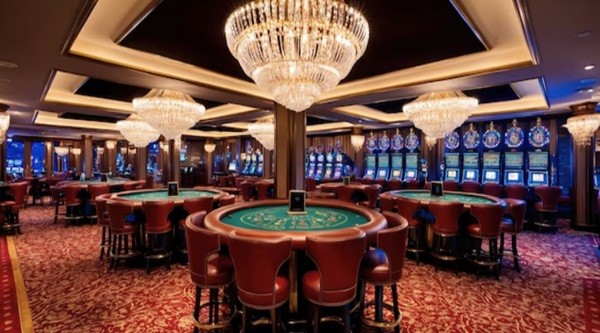
Online gaming has gradually become part of everyday digital culture, influencing how people communicate, spend leisure time, create content, and interact with technology. What was once viewed mainly as an individual pastime now connects with wider conversations about entertainment, creativity, competition, and online communities. The Goa Games topic introduces an interesting perspective on how gaming-related activities fit into these cultural changes.
Gaming as a Form of Digital Expression
Digital culture is shaped by the ways people Goa Games use technology to express their interests and identities. Gaming contributes to this through visual themes, characters, interactive environments, and shared experiences.
Players often develop preferences for particular styles of entertainment. Some enjoy strategic challenges, while others prefer casual activities or social interaction. These preferences influence conversations, online content, and the communities that develop around different gaming interests.
Gaming therefore represents more than interaction with software. It can also become a way for people to communicate their interests and participate in wider digital communities.
The Growth of Gaming-Related Content
Video platforms, blogs, livestreams, and social networks have created additional ways to discuss gaming. People can publish reviews, explain rules, share personal experiences, or create entertainment based on gaming topics.
This content has influenced how audiences discover new activities. Instead of relying only on advertisements, users may encounter discussions and demonstrations created by other members of the online community.
However, the growing amount of gaming-related material also makes information evaluation important. A personal opinion should not be confused with an official announcement, and promotional claims should not automatically be accepted as facts.
Communities Across Different Cultures
Online interaction can connect people who live in different locations and have different cultural backgrounds. Shared interests provide a starting point for conversations that might not otherwise happen.
Gaming communities may exchange ideas, discuss entertainment preferences, and introduce participants to different communication styles. Language differences and local customs can also influence how these interactions develop.
For a topic such as Goa Games, this wider cultural perspective is useful for understanding how gaming-related conversations can extend beyond geographical boundaries. Respectful communication and inclusive community standards help make such spaces more welcoming.
Technology Changes Entertainment Expectations
The development of smartphones, faster connectivity, and improved graphics has changed how people access interactive entertainment. Many users now expect digital activities to be convenient, responsive, and compatible with different devices.
These expectations also influence other areas of digital culture. Applications across education, communication, and entertainment increasingly use interactive elements to keep information engaging.
At the same time, technological progress raises questions about privacy, screen time, and responsible design. Better connectivity does not automatically mean that longer periods of participation are beneficial.
The Influence on Everyday Habits
Gaming can affect how people organize their leisure time and interact with digital media. Short activities may fit into breaks, while longer sessions can become part of a planned entertainment routine.
The important consideration is balance. Excessive screen use may interfere with sleep, studies, work, or personal relationships. Setting boundaries helps ensure that gaming remains an optional recreational activity.
Chance-based gaming also requires particular care. Random outcomes should not be treated as predictable, and participation should never be viewed as a reliable method of earning money.
A More Responsible Gaming Culture
As gaming becomes more visible in digital culture, users, content creators, and service providers share responsibility for maintaining healthier online environments.
Users can protect personal information, question unrealistic claims, and communicate respectfully. Content creators can distinguish factual explanations from promotional material. Platform designers can support transparency, privacy, accessibility, and appropriate moderation.
These practices contribute to a culture where entertainment does not come at the expense of user well-being.
Conclusion
Online gaming influences modern digital culture through creative expression, community interaction, content sharing, and changing technology expectations. The Goa Games topic reflects these wider developments and highlights the relationship between entertainment and everyday digital habits. Its cultural value should be considered alongside responsible participation, privacy awareness, and balanced screen use. A positive gaming culture grows when people can enjoy interactive entertainment while respecting themselves and others.