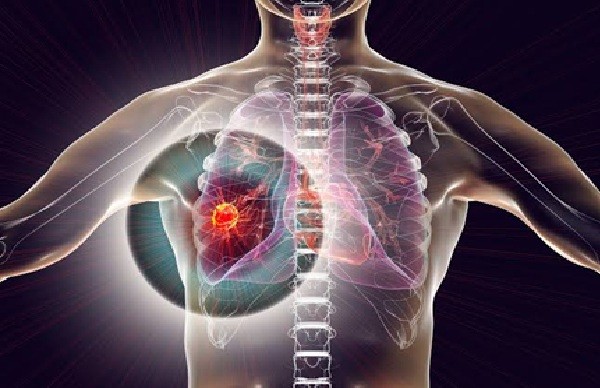
Lung cancer is one of the most serious respiratory conditions, and it is often diagnosed at a late stage because its early symptoms can be subtle, non-specific, or easily mistaken for more common issues such as infections or chronic cough. This makes early recognition of warning signs especially important. A lung doctor plays a key role in identifying these early changes, guiding accurate diagnosis, and ensuring timely treatment before the disease progresses.
Because symptoms can initially appear mild or intermittent, many patients delay seeking help, assuming they are due to less serious causes. If you want to understand more about how lung cancer is assessed and managed, you can read more here https://www.icts.com.sg/10-medical-myths-about-lung-cancer-answered-by-a-lung-specialist/.
Persistent Cough That Does Not Go Away
A persistent cough that does not improve over time is one of the most common warning signs that should not be ignored. While coughs are often caused by minor conditions such as viral infections, allergies, or post-nasal drip, a cough that lasts for more than a few weeks, changes in character, or gradually worsens may require further evaluation. In some cases, it may be dry, while in others it may produce phlegm, and patients may notice it becoming more frequent at night or interfering with daily activities.
A lung doctor will typically assess the duration, pattern, and associated symptoms of the cough to determine whether further investigations such as imaging or lung function tests are needed, especially when the symptom does not resolve with standard treatment.
Coughing Up Blood or Unusual Phlegm
Coughing up blood, even in small amounts, is a symptom that should always be taken seriously. It may appear as streaks of blood in phlegm, pink-tinged sputum, or in more noticeable amounts. While there are benign causes such as severe coughing or minor airway irritation, it can also be associated with more serious underlying lung conditions that require prompt evaluation.
Unusual changes in phlegm, such as a rust-coloured, persistently discoloured, or foul-smelling discharge, may also indicate an underlying problem within the airways or lung tissue. A lung doctor will assess these symptoms carefully and may recommend further tests such as imaging or bronchoscopy to determine the exact cause and rule out serious disease.
Shortness of Breath and Unexplained Breathing Changes
Shortness of breath that develops without a clear reason or gradually worsens over time can be an important warning sign. While it is often linked to common conditions such as asthma, infections, or reduced fitness, it should not be overlooked when it appears at rest, during minimal activity, or becomes progressively more noticeable in daily life.
Some patients may initially dismiss these changes as ageing or temporary discomfort, but persistent breathlessness may indicate an underlying issue affecting the airways or lung capacity. A lung doctor evaluates these symptoms by reviewing medical history, conducting a physical examination, and ordering tests such as chest imaging or lung function studies to identify possible causes and determine the next steps in management.
Chest Pain, Wheezing, or Changes in Voice
Chest pain that is persistent, unexplained, or different from typical muscular discomfort can sometimes be a warning sign of an underlying lung condition. It may feel sharp, dull, or pressure-like, and can occur alongside breathing difficulties or coughing. Wheezing that does not improve with usual treatments, or a new onset of noisy breathing, may also suggest narrowing or irritation of the airways.
In some cases, changes in voice such as hoarseness can occur when nearby structures or nerves are affected. A lung doctor will assess these symptoms in combination, as their presence together may provide important clues about what is happening within the lungs and whether further investigations are needed.
Systemic Symptoms: Unexplained Weight Loss, Fatigue, and Recurrent Infections
Beyond respiratory symptoms, certain general health changes can also signal an underlying lung problem. These symptoms are often subtle at first and may be overlooked or attributed to stress, ageing, or lifestyle factors.
However, when they persist or occur together with breathing-related issues, they warrant further attention. Common systemic warning signs include:
- Unexplained weight loss without changes in diet or exercise
- Persistent fatigue or low energy that does not improve with rest
- Loss of appetite over time
- Recurrent chest infections such as bronchitis or pneumonia
- General decline in stamina or exercise tolerance
While these symptoms can be caused by a range of conditions, their persistence or combination should not be ignored.
When to See a Lung Doctor in Singapore
Recognising warning signs early is important because lung conditions, including serious diseases, can progress quietly before becoming more obvious. Symptoms such as persistent cough, breathlessness, chest discomfort, or unexplained systemic changes should not be ignored if they last beyond a few weeks or continue to worsen. While some causes are benign and treatable, others require timely investigation to prevent complications and ensure appropriate management.
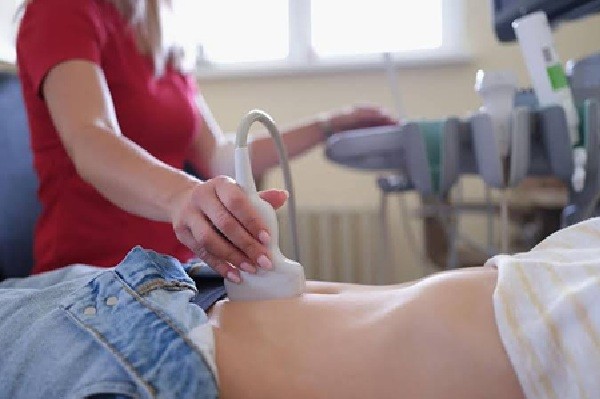
A lung doctor assesses symptoms in context, considering medical history, risk factors such as smoking exposure, and the pattern of symptom progression. Diagnostic tools such as chest X-rays, CT scans, and lung function tests may be used to clarify the cause and guide further management.
Conclusion
Warning signs of lung cancer are often subtle in the early stages, which makes them easy to overlook or confuse with more common respiratory conditions. However, persistent or unexplained symptoms such as ongoing cough, breathlessness, chest discomfort, or general health changes should not be ignored, especially when they do not improve over time.
Early evaluation by a lung doctor can help clarify the cause and ensure that any underlying condition is identified and managed appropriately as soon as possible. To arrange a visit or consultation with our lung doctor, you can contact our clinic at:
International Centre for Thoracic Surgery – Robotic Lung Surgery | Lung Cancer Treatment Singapore
Mount Elizabeth Novena Hospital
38 Irrawaddy Road, Mt Elizabeth Novena Specialist Centre, Irrawaddy Rd, #10 38, Singapore 329563
Phone: (65) 6591 8801