Recovering from surgery is hard enough. Between the bandages, the follow-up appointments, and the instructions for rest, many patients leave the hospital with a prescription for opioid pain medication and little time to think about it. Pain relief matters, and for some patients opioids are the right choice for a short time. But these medications also carry real risks, including dependence and overdose.
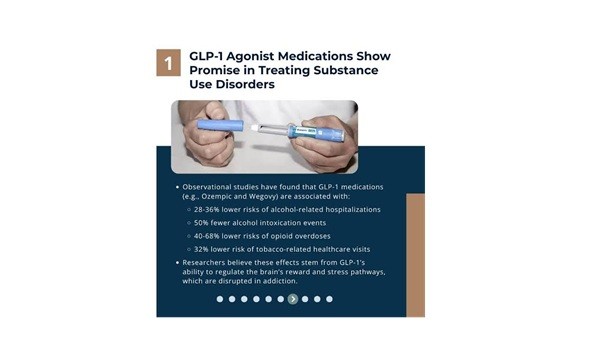
Asking a few simple questions before you leave can help you use opioids safely, or avoid them when other options work just as well. That matters because opioids remain at the centre of the overdose crisis. The CDC estimated 44,564 deaths involving opioids in the United States in 2025. Treatment has also evolved, with established medications for opioid use disorder and early studies exploring new approaches, as researchers are even studying GLP 1 for addiction to opioids. Here is what every patient should know.
What Current Guidelines Say
In 2022, the CDC published an updated Clinical Practice Guideline for Prescribing Opioids for Pain. For short-term (acute) pain, the guideline notes that non-opioid treatments are at least as effective as opioids for many common conditions. When opioids are needed, it recommends prescribing the lowest effective dose of immediate-release opioids, in a quantity no greater than needed for the expected duration of severe pain.
In practice, that means many patients may need only a few days of opioid medication, if any, and other pain relief options should be considered first.
Questions to Ask Before You Leave the Hospital
These questions can help you and your doctor make a plan that controls pain while keeping risks low. It can help to write them down before surgery and bring them with you.
- Do I need an opioid, or can I start with something else? The CDC notes that non-opioid options are at least as effective as opioids for many types of acute pain. Ask whether over-the-counter pain relievers, ice, or other approaches could work for your situation.
- How many days should this prescription last? Knowing the expected length of use helps you plan and avoid continuing longer than necessary. Ask what to do if pain lasts longer than expected.
- What side effects should I watch for? Opioids can cause drowsiness, constipation, nausea, and slowed breathing. Knowing the warning signs helps you act quickly if something goes wrong.
- Is it safe with my other medications and alcohol? Opioids combined with alcohol, sleep medicines, or anxiety medications such as benzodiazepines can dangerously slow breathing. Share a full list of everything you take.
- How should I store and dispose of leftover pills? Unused opioids at home can be misused by others. Ask about safe storage and the best disposal option near you.
Asking these questions is not a sign of distrust. It is part of being an informed patient, and most doctors welcome the conversation.
Storing and Disposing of Opioids Safely
Keep opioid medications in a secure place, ideally locked, and out of reach of children, teenagers, and visitors. When you no longer need them, dispose of leftovers promptly. The U.S. Food and Drug Administration recommends using drug take-back options when available, and the Drug Enforcement Administration holds National Prescription Drug Take Back Days each spring and fall. Many pharmacies also offer year-round disposal kiosks. For certain opioids, the FDA provides guidance on other disposal methods if a take-back option is not available.
Keep Naloxone on Hand
Naloxone is a medication that can rapidly reverse an opioid overdose. In March 2023, the FDA approved a naloxone nasal spray for over-the-counter sale, making it easier to buy without a prescription. Keeping naloxone at home while you have opioid medication is a simple safety step, especially if you also take other sedating medicines or live with others who might come into contact with your prescription.
Watching for Signs of Dependence
Most people who take opioids briefly after surgery do not develop a problem. However, signs that use may be becoming a concern include taking more than prescribed, wanting to continue after pain has improved, feeling anxious when a dose is due, or seeking extra prescriptions. If you notice these signs, talk to your doctor promptly.
Help Is Available
Effective treatment for opioid use disorder exists. FDA-approved medications such as buprenorphine, methadone, and naltrexone, combined with counselling and support, help many people recover. Research continues too. A small Penn State trial found that the GLP-1 medicine liraglutide reduced opioid cravings, and a large health records study published in the journal Addiction found lower overdose rates among people with opioid use disorder who had GLP-1 prescriptions, although these early findings still need confirmation in larger trials.
Final Thoughts
Pain relief after surgery is important, but so is safety. Asking whether you need opioids, how long to take them, and how to store and dispose of them can protect you and your family. With a clear plan and honest communication with your doctor, you can manage pain while keeping risks as low as possible.
Frequently Asked Questions (FAQs)
1. Are opioids always necessary after surgery?
Not always. The CDC’s 2022 guideline notes that non-opioid treatments are at least as effective as opioids for many types of acute pain. Your doctor can help decide what is right for you.
2. What should I do with leftover opioid pills?
The FDA recommends using drug take-back options when available. The DEA holds National Prescription Drug Take Back Days each spring and fall, and many pharmacies offer year-round disposal.
3. Should I keep naloxone at home if I am taking opioids?
It is a sensible safety step. Naloxone can reverse an opioid overdose, and since March 2023 it has been available over the counter in the United States.